
Philippines Declares Energy Emergency as Japan’s Fuel Subsidies Mask a Deeper Oil Crisis
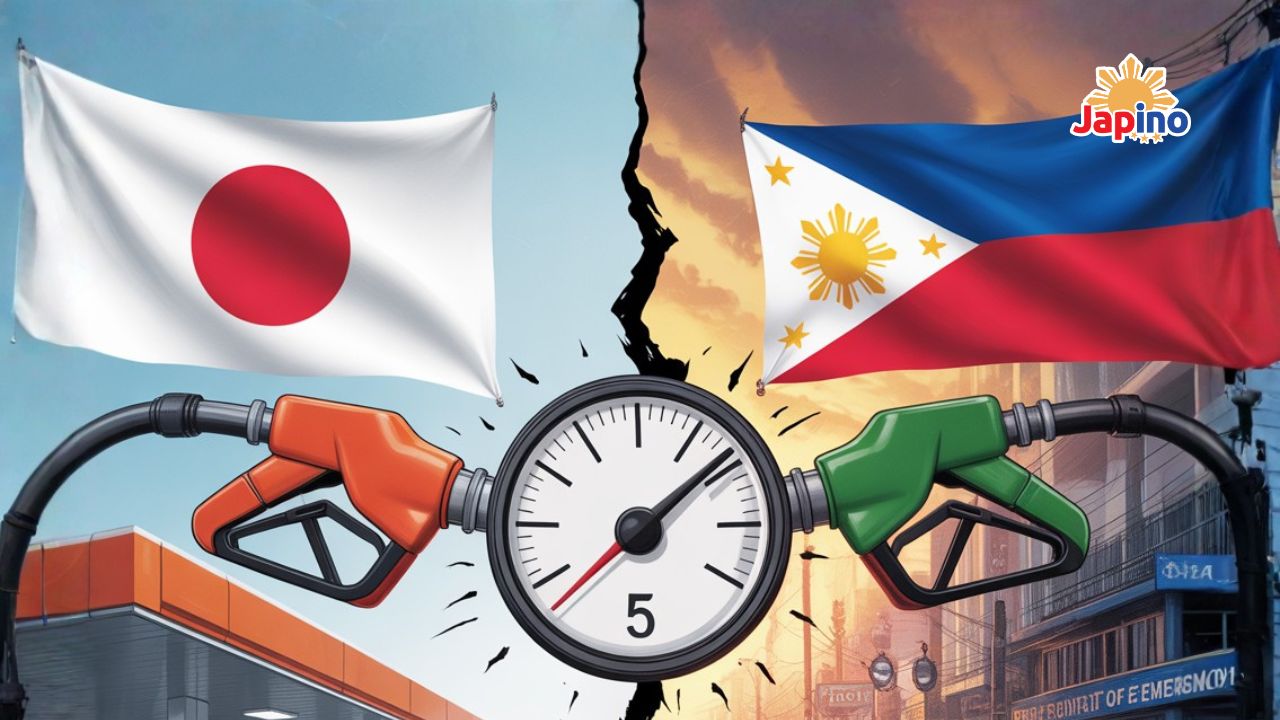
Soaring fuel prices driven by Middle East tensions are rattling Asian nations. While the Philippines faces a severe energy crisis, Japan is adopting subsidies to shield consumers from the shock at the pump.
Philippines: High Dependency and State of Emergency
With over 90% of its crude oil imported from the Middle East, the Philippines stands as one of the region’s most vulnerable countries. Diesel prices have surpassed 300 yen per liter—double the levels seen before the crisis escalated.
In response, President Ferdinand Marcos Jr. declared a “State of National Energy Emergency,”valid for one year. The government holds strategic reserves for about 45 days and is promoting public transportation to curb fuel consumption.
Japan: Subsidies Cap Prices but Raise Concerns
Japan has taken a different approach. The government is providing subsidies to oil refiners to keep retail fuel prices in check. Regular gasoline now averages 177.7 yen per liter—a drop of 13.1 yen in just one week.
However, industry experts warn: “Prices have fallen because of subsidies, not because crude oil got cheaper. No one knows how long the government can sustain this.”
While the national budget allocates 1 trillion yen in reserves, concerns are mounting over how long such measures can hold if the crisis drags on.
Quick Comparison
| Country | Middle East Dependency | Strategic Reserves |
|---|---|---|
| Philippines | 90% | 45 days |
| India | 50% | 30 days |
| Vietnam | 80% | 15 days |
| South Korea | 70% | 7 months |
| Japan | High | Robust reserves |
Japan is leveraging its financial strength to insulate consumers from external shocks, while the Philippines is resorting to emergency measures to secure basic supply. Both nations face the same lingering question: how long can these policies last if the crisis continues?
Source: AN News and Japino


